


French vs. English Shoemaking Hammers
USA, Italian & Budget-Friendly Options
Every shoemaker needs a good hammer. Whether you’re making your first pair of handmade shoes, repairing leather boots, or crafting wallets, belts, and bags, a quality shoemaking hammer is one of the most useful tools on your workbench.
But not all hammers are created equal!
A traditional shoemaker’s hammer, also called a cobbler’s hammer or leatherworking hammer, is designed for much more than driving nails. These specialized tools help flatten seams, smooth leather, secure glued parts, form leather around a shoe last, and give your finished work a clean, professional appearance.
At Shoemakers Academy, we offer a wide selection of shoemaking and leathercraft hammers, including traditional French-style and English-style hammers, different head weights, and tools made in the USA, Italy, and China.
Whether you’re a professional cobbler looking for a premium workshop tool or a beginner searching for an affordable hammer that gets the job done, we have options to match your project, preferences, and budget.
What Makes a Shoemaking Hammer Different From an Ordinary Hammer?
At first glance, a shoemaker’s hammer might look like an ordinary household hammer. However, its specially shaped steel head makes it much better suited to working with leather.
One of the most important features is the smooth, polished, slightly rounded striking face.
Unlike a typical carpenter’s hammer, which may have sharper edges, a quality leatherworking hammer has a gently convex face with rounded edges. This allows the hammer to compress and smooth leather without easily leaving unwanted marks or cutting into the surface.
The shape also helps the shoemaker deliver controlled strikes when working around curved surfaces such as shoe uppers, soles, heels, and leather folds.


Key Features and Benefits of Shoemaking Hammers
Smooth, polished striking face: Helps protect leather surfaces against unwanted dents and marks.
Rounded hammer edges: Make it easier to work on curved leather components.
Specialized back end or peen: Useful for smoothing seams, compacting leather, and reaching tight areas. (Like in between lasting tacks.)
Balanced steel head: Provides controlled striking force for detailed leatherwork.
Comfortable handle: Helps the user maintain accuracy and control during repeated hammering.
Multiple head weights: Allow craftspeople to select lighter tools for delicate work or heavier tools for tougher materials.
The result is a versatile hand tool that can handle numerous steps in shoemaking and leathercraft.
French vs. English Shoemaking Hammers: What’s the Difference?
Two of the most popular traditional designs are the French shoemaking hammer and the English shoemaking hammer.
Both styles are excellent for shoemaking and leatherworking, but their different head shapes and proportions offer slightly different working characteristics.
French-Style Shoemaking Hammer
The French shoemaking hammer is immediately recognizable by its distinctive head shape, curved profile, and extended neck.
The striking face is generally rounded, while the back end features a narrow, curved or tapered peen.
This shape is especially useful for working around shoe lasts, smoothing shaped leather components, and getting into areas where a wider hammer head may be difficult to maneuver.

Benefits of a French-style hammer:
French-style hammers are popular with traditional shoemakers because they can perform so many different tasks.
At Shoemakers Academy, we offer French-style hammers in lighter and heavier head weights, allowing you to choose the right tool for your work.
English-Style Shoemaking Hammer
The English-style shoemaking hammer typically features a broad working face and a more compact, straighter head profile compared with the traditional French pattern.
Its working face provides a useful surface for flattening seams, pressing folded leather, and tapping together glued components.
The narrow opposite end can also help with small areas, detailed shaping, and shoe repair.

Benefits of an English-style hammer:
Many shoemakers develop a personal preference for one style over the other. Some keep both on their workbench, selecting whichever feels best for the task.
Choosing the Right Hammer
One feature that makes a big difference is the weight of the hammer head.
A lighter hammer offers precise control, while a heavier hammer delivers more force with less effort per strike.
Shoemakers Academy offers several useful weight classes for different projects.
| Hammer Weight | Best Uses |
|---|---|
| 7.5 oz / 220 g | Light leathercraft, folds, stitching, detailed shoemaking |
| 10.5 oz / 300 g | General shoemaking, leather shaping, and everyday bench work |
| 11–14 oz / approximately 330–400 g | Versatile workshop use, sole work, and heavier leather |
| 17.5 oz / 500 g | Heavier sole leather, heel work, and more demanding shaping or compression |
Light Hammers: Precision and Control
A lighter hammer is an excellent choice when working with thinner leather, delicate shoe uppers, folded edges, or detailed leather goods.
A lightweight model can also be more comfortable for beginners learning proper striking techniques.
Medium-Weight Hammers: The Everyday Workhorse
For many shoemakers, a hammer around 300 to 400 grams provides a great balance between control and striking power.
This weight range handles many everyday jobs, including tapping stitched seams, shaping leather, pressing glued parts, and general shoe construction.
Heavy Hammers: Extra Striking Power
When working with thick leather soles, heavier leather components, or substantial heel assemblies, a heavier hammer can be a major advantage.
A 500-gram hammer delivers more energy with each strike, helping compress and shape tougher materials.
However, heavier is not always better. For fine leatherwork and delicate materials, a lighter hammer may offer superior control.
USA-Made Shoemaking Hammers: Traditional Craftsmanship
For shoemakers who appreciate American-made professional tools, Shoemakers Academy offers hammers from C.S. Osborne & Co.
C.S. Osborne is a historic American manufacturer known for producing specialized tools for leatherworkers, upholsterers, shoemakers, and craftspeople.
Our selection includes:
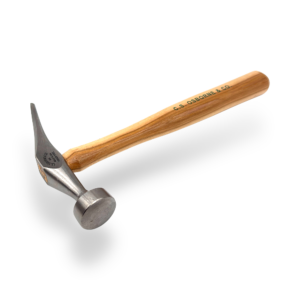
C.S. Osborne #65 Shoemaking Hammer
A traditional shoemaker’s hammer with a polished working face, solid construction, and hardwood handle. It is a versatile choice for professional shoemaking and general leatherworking.
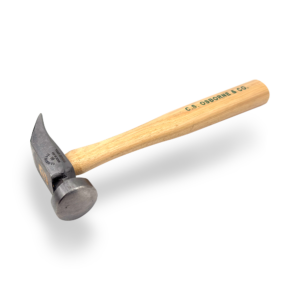
C.S. Osborne #66 Leather Working Hammer
A durable leatherworking hammer featuring a forged steel head, smooth rounded striking face, and classic hickory handle. Excellent for pressing seams, shaping leather, and working around finished leather components.
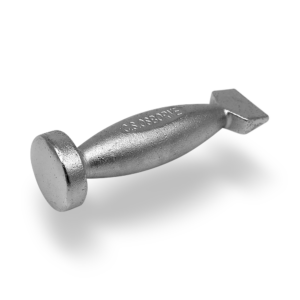
C.S. Osborne #1999 Fitters Hammer
A compact specialty hammer designed for detailed fitting work, flattening seams, and smoothing leather in confined areas.
These American-made tools are excellent choices for craftspeople who want traditional workshop equipment designed for regular, long-term use.
Italian-Made Shoemaking Hammers: Classic European Style
Italy has a rich tradition of leather craftsmanship and shoemaking, and Italian-style tools remain popular with craftspeople around the world.
At Shoemakers Academy, one of our featured tools is the “Big Red” French-Style Shoemaking Hammer.
This Italian-made hammer features a substantial 500-gram head, making it a useful choice for heavier shoemaking tasks.

Its traditional French pattern is well suited to shaping leather, working on sole components, and other jobs where a heavier striking tool is helpful.
For craftspeople who enjoy traditional European shoemaking tools, the Big Red is an appealing addition to the workshop.
Chinese-Made Shoemaking Hammers: Practical Performance at an Affordable Price
You don’t have to spend a fortune to get started in shoemaking!
At Shoemakers Academy, we understand that beginners, students, hobbyists, and budget-conscious leatherworkers need reliable tools at accessible prices. That’s why we also offer economical Chinese-made shoemaking hammers in traditional French and English styles. These hammers are perfectly functional for many common shoemaking and leathercraft tasks. They can be used to flatten seams, press glued parts together, tap down folds, and shape leather—just like their more expensive counterparts.

Why Choose an Affordable Shoemaking Hammer?
- Lower cost: Ideal for students and beginners building their first tool collection.
- Practical designs: Traditional head shapes support everyday shoemaking techniques.
- Functional performance: Suitable for many common leatherworking jobs.
- Choice of styles: French and English patterns let beginners explore different tool shapes.
- Great starter tools: Allow you to learn without making a large initial investment.
- Perfectly functional: These are the exact tools I see in the local Chinese mass production factories.