Current Status
Price
Get Started
Make Your Shoe Designs Production Ready
Was $399 Now $299
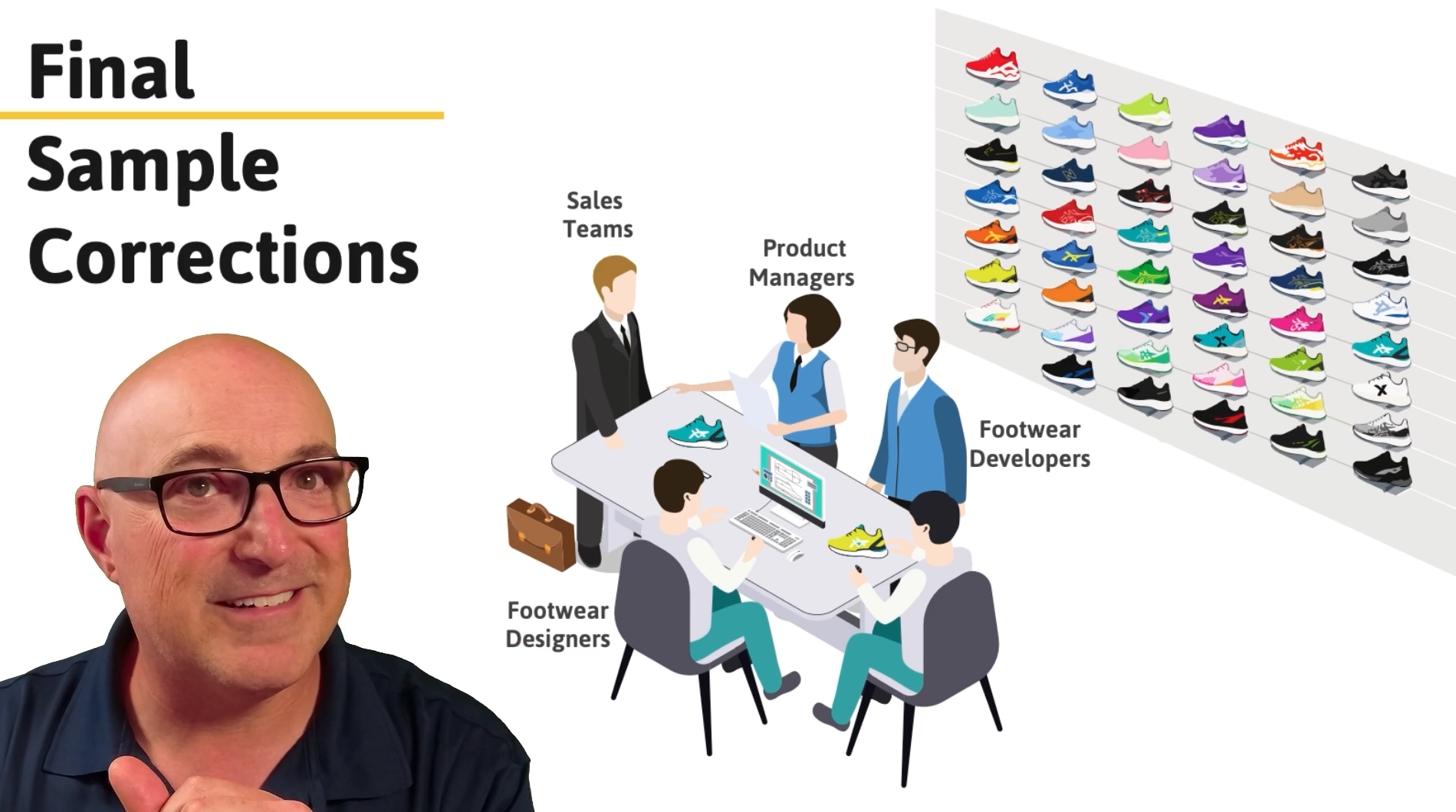
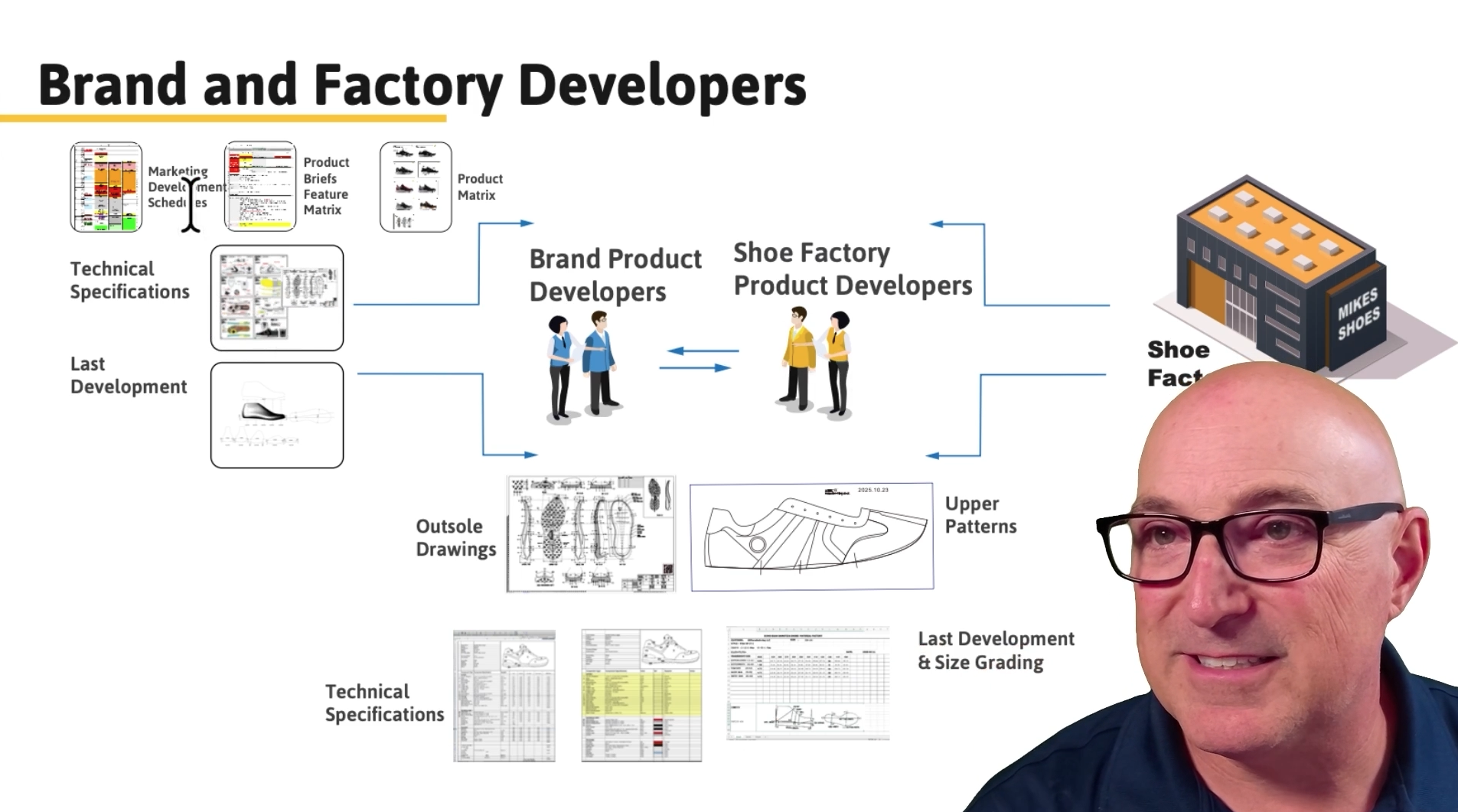
The Footwear Development Course is designed for anyone who wants to understand how a shoe moves from concept to factory production. This course explains the complete shoe development process, including design review, tech packs, lasts, patterns, outsole tooling, sample rounds, costing, commercialization, quality control, and communication with factories.
Students will learn how footwear developers work with designers, product managers, brand teams, factories, and suppliers to transform creative concepts into functional, cost-effective, and manufacturable footwear. The course also covers key development stages such as T1, T2, T3, and T4, giving learners a practical understanding of how samples are reviewed, corrected, approved, and prepared for bulk production.
Accelerate your shoemaking skills and hit the ground running.
This course is ideal for footwear designers, product developers, merchandisers, sourcing teams, factory staff, brand owners, students, and anyone entering the footwear industry. It provides real-world knowledge of development timelines, sample validation, target costing, tooling, production readiness, and professional communication skills.
Learn from a professional. Wade Motawi, “The Shoe Dog,” has 30 years of footwear development experience. Wade worked hands-on as a footwear developer, a development manager, and a director of footwear development. He is an expert who has trained and built high-performing footwear development teams.
By the end of the course, students will understand how to manage the footwear development process with confidence, through clear communication, and with improved cost control and production planning.
- 14 in-depth Footwear Product Development lessons.
- Over 4 1/2 hours of video instruction with “The Shoe Dog,” Wade Motawi.
- Bonus Content: Shoe Material Design Guide Textbook download
- Bonus Content: Footwear Specification Course
- Exclusive content: Critical Footwear Development Checklists
- Bonus: Digital Certificate of Completion for Shoemaking for Brand Builders & Designers included.
- Risk-Free: 30-day, 100% money-back guarantee.
The Shoe Dog would like to tell you about this online course. Find out if the Footwear Product Development course is right for you.
This course is now included in the All Access Pass!
195 lessons, over 60 hours of on-demand video instruction for shoe designers, developers, and footwear start-ups. Fast-track your footwear career today!
Learn more: Shoemakers Academy All Access Pass.
Footwear Development Checklists Included
Wade’s Footwear Developer’s 10-Point Checklist helps developers confirm whether a shoe project is ready to begin serious development. It reviews the last, design drawings, target price, duty classification, technical risks, tooling needs, schedule, factory capability, and developer experience. The checklist encourages early problem solving and clear communication when cost, timing, or technical issues appear. Its purpose is to help transform a creative footwear concept into a realistic, functional, and manufacturable product.
The Development Goals checklist provides a high-level roadmap for taking a footwear project from concept to production readiness. It covers completing specifications, making a functional sample, confirming the last, pattern, tooling, FOB price, duty, costs, and size grading. It also emphasizes preparing for production and staying on schedule. This checklist helps developers track the major technical, commercial, and operational goals required to deliver a shoe that is approved, costed, manufacturable, and ready for bulk production.
The T1 Initial Development Sample Validation checklist is used to review the first physical sample against the original design intent. It checks the concept, upper shape, style lines, outsole and midsole proportions, early fit, foot entry, construction feasibility, materials, comfort, movement, and sample quality. Because T1 samples often reveal the first major development problems, this checklist helps identify pattern, material, fit, tooling, and workmanship issues before they become costly later in the process.
The T2 Revised / Graded Validation checklist confirms whether T1 comments and corrections have been properly applied. It reviews revised pattern lines, fit corrections, graded sizes, last scaling, tooling alignment, materials, wear testing, and manufacturing feasibility. A key purpose is to ensure the shoe works across small, standard, and large sizes without distortion or fit inconsistency. This checklist helps determine whether the product is ready to move forward or still needs additional revision.
The T3 Pre-Production Confirmation checklist evaluates a near-final sample before production readiness. It confirms the approved design, final materials, colors, branding, fit, performance, tooling, construction quality, packaging, and documentation. The checklist also reviews whether the factory can reproduce the shoe consistently while meeting cost, quality, and timing targets. T3 is an important approval gate because it closes most remaining development issues and prepares the product for pre-production or bulk manufacturing.
The T4 Final Production-Readiness Validation checklist is the final checkpoint before bulk production. It verifies that all T3 corrections are complete and that the sample matches the approved design, fit, materials, color, branding, tooling, and construction. It also checks production materials, cutting dies, knife tools, manufacturing methods, quality standards, packaging, and labeling. The knife trial confirms cutting accuracy, material yield, and pattern consistency. This checklist supports final factory approval and production release.
The 15-Point Footwear Prototype Pattern Evaluation Checklist reviews whether the upper pattern is accurate, balanced, comfortable, and manufacturable. It checks pattern accuracy, last conformity, toe shape, vamp fit, quarter alignment, heel counter position, collar height, throat opening, eyestay placement, seams, stitching allowance, material behavior, component matching, symmetry, and production feasibility. This checklist helps prevent fit problems, wrinkles, construction issues, and visual distortion before the pattern moves into advanced sampling or production.
The Factory Allocation Checklist helps decide which factory is best suited for a footwear project. It reviews production capacity, machinery, labor, technical capability, quality history, cost competitiveness, lead-time reliability, supplier access, compliance, workforce skill, logistics, strategic fit, risk, scalability, MOQ, and motivation. It also asks whether the factory is “hungry” enough to make extra effort for the customer. This checklist supports smarter factory selection beyond price alone.
The Sample Evaluation Checklist reviews whether a prototype meets shape, fit, construction, material, and performance expectations. It checks true-to-size fit, pattern lines, seam placement, toe spring, heel height, silhouette, materials, color blocking, branding, tongue construction, lace system, heel support, collar comfort, midsole geometry, outsole tread, grip, flex grooves, weight, and balance. It also includes performance tests and quality checks such as stitching, glue lines, symmetry, finishing, and development schedule changes.
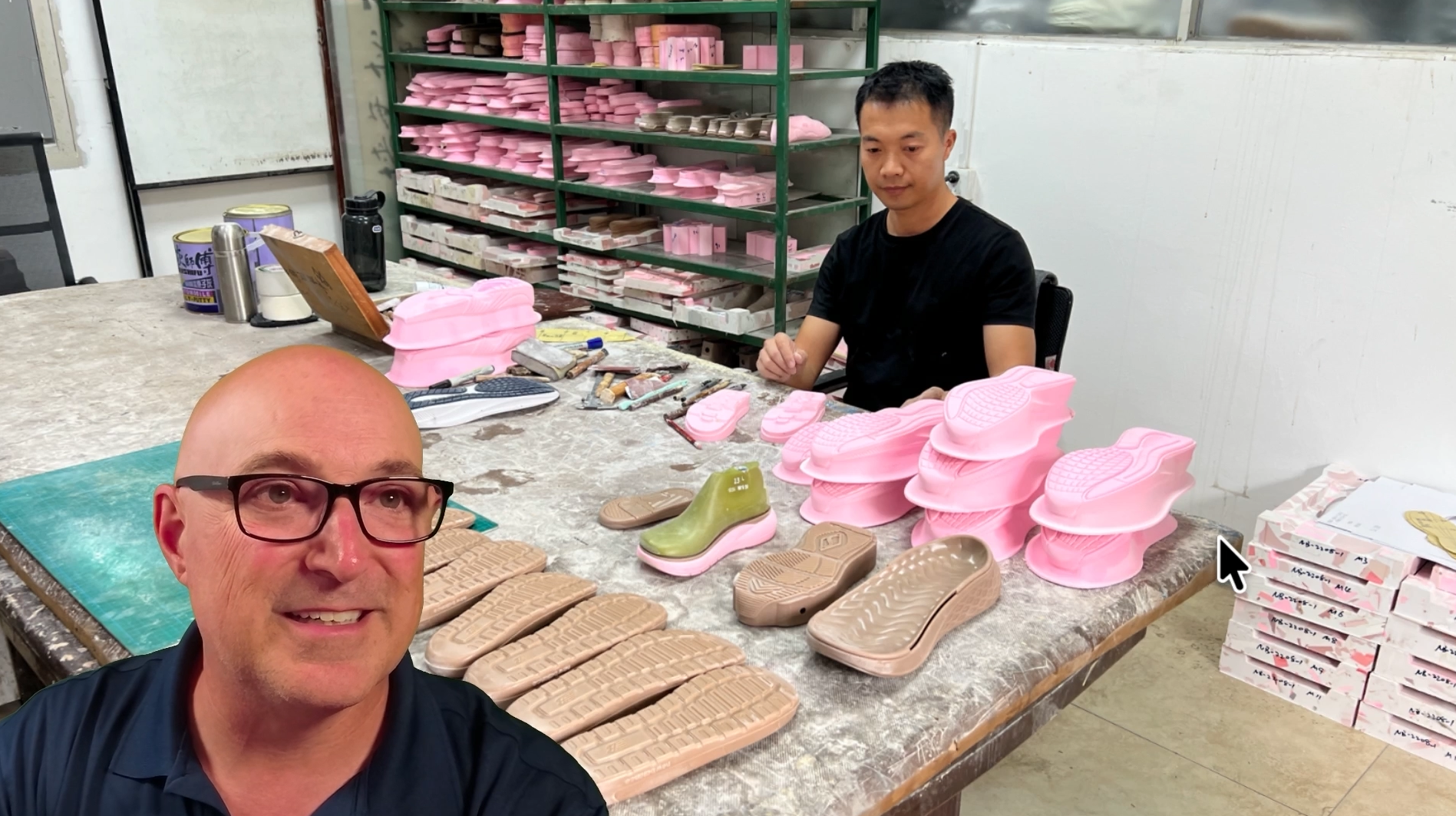
The Outsole Development checklist outlines the technical process for creating an outsole. It begins with the shoe pattern and sample pullover, then moves through 3D scanning, 2D blueprint creation, engineering review, 3D CAD development, model making, optional resin tooling, casting or CNC work, mold assembly, test pressing, stock-fit checking, texture application, Teflon coating, air vents, and final wear testing. This checklist helps control outsole accuracy, tooling quality, and development risk.
The 72-Point Pre-Production Tear Down Checklist is a detailed final audit before production. It reviews upper construction, materials, stitching, branding, last and fit, lasting, midsole and outsole, cementing, bonding, sockliner, internal construction, finishing, functional testing, packaging, and final approval. It also checks QC standards, factory capability, material readiness, production timing, and sign-off. This checklist ensures the shoe is technically correct, manufacturable, tested, packaged properly, and ready for bulk production.
The Equipment and Tooling Development Checklist identifies the tools required to manufacture the shoe correctly. It includes production lasts, outsole molds, midsole molds, shank molds, pre-form molds, cooling fixtures, cutting dies, stitching fixtures, forming molds, branding molds, pressing fixtures, punch dies, printing screens, bonding jigs, packaging plates, and box dies. This checklist helps prevent missing tooling, production delays, fit distortion, poor component accuracy, and inconsistent manufacturing across the size run.
The 50-Point Blueprint Confirmation Checklist reviews outsole and midsole engineering drawings before tooling begins. It confirms the title block, model name, mold shop, customer, last code, part size, materials, revisions, hardness, color, drawing views, cross sections, contour lines, and critical measurements. It also checks texture maps, weight, flex grooves, logo details, parting lines, bonding margins, technology components, sidewalls, wear areas, windows, color dams, and material suitability before mold investment.