






Description
Build Professional Footwear Material Knowledge
Professional shoe design requires more than choosing colors and textures. A footwear designer or developer needs to understand how different materials behave during manufacturing and how those materials affect the finished product.Inside Shoe Material Design Guide, you’ll study
- Leather for footwear
- Textiles and mesh
- Synthetic footwear materials
- Stitching thread
- Reinforcements
- Shoelaces and closure systems
- Shoe adhesives
- Hardware
- Logo applications
- Footwear foams
- Midsole cushioning systems
- Outsole materials and constructions
- Waterproof footwear construction
- Footbeds
- Webbing
- Molded plastic components
- Packaging materials
- Shoe material specifications
- Footwear material testing
- Material sourcing
- Vendor relationships
- Material costing and consumption
- Footwear material supply chains
- Sustainable shoe production
Learn How to Select the Right Materials for Shoes
Every footwear category has different requirements.
A running shoe needs a very different combination of materials than a fashion boot, hiking shoe, work boot, casual sneaker, or dress shoe.
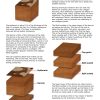
For example, the leather section goes beyond identifying different leather types. It explains how designers and developers need to consider characteristics such as color, grain, thickness, temper, performance, and manufacturing behavior when specifying leather for footwear.
The book helps you think about materials in terms of:
- Appearance
- Weight
- Flexibility
- Durability
- Breathability
- Water resistance
- Stretch
- Cushioning
- Bonding
- Manufacturing requirements
- Cost
- Performance
- Sustainability
Build a Professional Footwear Skill Set
Shoe Material Design Guide → Material Selection → Footwear Specifications → Footwear Development

Next Step 1:
How to Select Shoe Materials
Ready to turn material knowledge into a practical professional skill?
Continue with the How to Select Shoe Materials online course.
This course expands the subjects introduced in Shoe Material Design Guide with structured video training focused on selecting and specifying footwear materials.
The current course includes:
- 14 material-selection and specification lessons
- More than 4½ hours of video instruction
- Leather, textiles, synthetics, plastics, outsoles, midsoles, foam, reinforcements, accessories, packaging, and sourcing
- Digital certificate of completion
- The Shoe Material Design Guide digital textbook as bonus content Shoemakers Academy
The course is particularly relevant for shoe designers, footwear developers, brand founders, students, and people entering the footwear industry.

Next Step 2:
Creating Footwear Specifications
Once you know which materials to select, the next professional skill is learning how to communicate those choices clearly to the factory. The Creating Footwear Specifications course teaches the documentation skills used to turn a shoe design into factory-ready technical instructions.Students work through:
- CAD drawings
- Specification sheets
- Bills of materials
- Patterns
- Outsole drawings
- Upper molds
- Last specifications
- Complete footwear specification creation
The course currently includes 9 lessons and more than 2 hours of video instruction, with students building a complete Air Jordan specification step by step.

Next Step 3:
Footwear Development Process and Procedures
Once you’ve learned material selection and specification creation, the next step is understanding how the entire product moves from design concept into factory production.The Footwear Development Process and Procedures course covers:
- Design review
- Tech packs
- Footwear lasts
- Patterns
- Outsole tooling
- Sample rounds
- Costing
- Commercialization
- Quality control
- Factory communication
- Production readiness
Shoe Material Design Guide
Series: How Shoes are Made (Book 2)
Paperback: 200 pages
Publisher: Wade’s Place; 1st Edition
Language: English
ISBN-10: 099870704X
ISBN-13: 978-0998707044
Product Dimensions: 8.5 x 0.5 x 11 inches
Shipping Weight: 1.5 pounds
The Shoe Material Design Guide gives you the foundation. Shoemakers Academy’s professional courses help you apply that knowledge.
Step 1 — Learn the materials
Shoe Material Design Guide
Step 2 — Select materials professionally
How to Select Shoe Materials
Step 3 — Document your design
Creating Footwear Specifications
Step 4 — Develop the shoe for production
Footwear Development Process and Procedures
Build your knowledge. Practice professional skills. Advance your footwear career.
That progression is considerably better for your strategy than sending book buyers to a broad course catalog because you’re telling them exactly what to learn next and why.
Knowing the name of a material is only the beginning.
Professional footwear teams also need to understand how materials are produced because the manufacturing process affects quality, consistency, performance, cost, and how the material behaves in shoe production.
The book examines how materials such as leather, textiles, synthetics, foams, rubber, EVA, and molded components are produced and prepared for footwear applications.
This knowledge helps you make better design decisions and communicate more effectively with:
- Material suppliers
- Tanneries
- Textile mills
- Shoe factories
- Developers
- Engineers
- Sourcing teams
- Quality-control teams
The material that looks perfect on a swatch may behave very differently once it reaches the factory.
Shoe Material Design Guide connects material selection to real footwear manufacturing.
You’ll learn about issues such as:
- Cutting
- Stitching
- Bonding
- Lasting
- Surface finishing
- Edge treatments
- Color consistency
- Material thickness
- Stretch
- Adhesion
- Manufacturing tolerances
For example, the book explains how different leather surfaces require different bonding preparation and why some materials are easier or harder to last, stitch, or cement during shoe production.
That understanding can help designers create footwear that is not only attractive, but also manufacturable.
Selecting a material is only useful if you can clearly communicate your requirements to the factory.
The book teaches the fundamentals of footwear material specification, including how designers and developers communicate important details such as:
- Material type
- Color
- Finish
- Thickness
- Temper
- Performance requirements
- Supplier references
- Testing requirements
- Component location
This connection between creative selection and technical specification is one of the most important skills in professional footwear product development.
A material has to do more than look good.
Footwear materials may need to meet requirements for:
- Tensile strength
- Tear strength
- Elongation
- Stretch
- Colorfastness
- Abrasion
- Water resistance
- Bonding
- Chemical safety
- Durability
The book introduces material testing and explains why material qualification matters before bulk production.
This is especially valuable for designers and brand founders who want to understand why a factory or developer may reject a material that appears visually suitable.
Footwear development is also a supply-chain challenge.
The book covers subjects including:
- Finding shoe material suppliers
- Working with material vendors
- Stock versus custom materials
- Local-market materials
- Material minimums
- Lead times
- Material costing
- Consumption
- Supply-chain challenges
- Building a material library
The book is organized so that readers first learn the materials themselves, then learn how to qualify and specify them, understand how those materials are used inside actual shoes, and finally identify material suppliers.
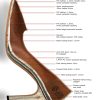
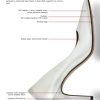
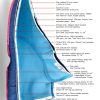
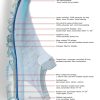
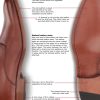
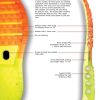
One of the most valuable parts of Shoe Material Design Guide is its use of footwear cross-sections and real production examples.
Shoes are cut apart so you can see the materials hidden inside the finished product.
The current product listing describes annotated cross-sections of more than 30 footwear types, including athletic shoes, running shoes, hiking boots, work boots, high heels, and other categories. Shoemakers Academy
This turns the book into a practical reference you can return to while designing and developing new products.
Material knowledge is a highly transferable footwear-industry skill.
If you want to work professionally in footwear, understanding materials can make you more effective in roles including:
Footwear Design
Choose materials that support the design intent while meeting performance and manufacturing requirements.
Footwear Development
Evaluate whether materials will work technically, meet cost targets, and perform correctly during production.
Product Management
Understand how material decisions affect price, quality, timelines, and product positioning.
Footwear Sourcing
Communicate with suppliers and understand material options, costs, lead times, and availability.
Quality Control
Understand how materials are tested and why performance specifications matter.
Footwear Merchandising
Better understand the product decisions behind different price points and categories.
Footwear Entrepreneurship
Make better material decisions before committing to samples or production.
Career Changers and Students
Develop technical vocabulary and practical footwear knowledge before pursuing professional opportunities.
The book’s stated educational purpose is closely aligned with this career-development positioning: Shoemakers Academy describes its books and courses as helping prepare designers, developers, shoemakers, and footwear entrepreneurs for careers in the footwear industry.


Dee –
Excellent resource for College STEM educators. Strike a note with students wanting to design, engineer and study the sneaker industry. Highly recommend as an educational resource!
Jassi –
Excellent! It covers many materials and helps to understand how to select the right material. The world of footwear materials is immense, but this guide simplifies the choice of materials, even with very specific examples of different shoe styles. (Review translated from Spanish.)
Alison –
Great book. I work in design and development and refer to it often. Worth the money.
CalBear –
Excellent guide. This book strikes such a good balance between technical details and readability and provides real-life relatable examples of commonly seen shoes and exactly what they’re constructed with. I also read and am a huge fan of the other books. As someone starting a shoe business, this type of information is exactly what I needed.
J. Donner –
Another great addition to the range.
Following on from the earlier books in the range, this is a great in depth review into materials available in modern shoe making. Highly recommended addition to this brilliant series of books
P C –
Awesome! Lots of detailed information. I have been in the shoe business for about 23 years. I am also a Pedorthist. I really learned a lot from this book.
Frank –
I am studying shoe design and found this extremely helpful. Highly recommend.
Nguyen Phuoc Dien –
I feel it useful for me.
MR AO OSOKOYA –
I have purchased all of these books, and they are a wealth of insight and information. Furthermore, I have been able to email Wade and received helpful responses from him. Really recommended.
D. West –
Amazing book!! I bought this for my son because he collects sneakers and has always been interested in how to make shoes. He loves it! It has everything u need to know to learn to design and make shoes spelled out in language that he could understand and follow – lots of great pictures too!!! They cut Jordans in half and identify every internal material piece by piece 🙂
Julia –
Obra referência para quem inicia no tema
Uma abordagem bastante pragmática.
Muito bom para quem inicia e para quem já possui conhecimentos na área.
Informação bastante atualizada.
(Translated from Brazilian: A very pragmatic approach. Very good for beginners and for those who already have knowledge in the area. Very up-to-date information.)