

Description
Learn How the Footwear Industry Really Works
The footwear business brings together designers, developers, engineers, material specialists, sourcing teams, factories, product managers, quality professionals, and entrepreneurs.
To succeed in the industry, you need to understand more than how to sketch a shoe.
You need to understand how footwear is designed, developed, engineered, costed, manufactured, inspected, and delivered.
How Shoes Are Made gives you that foundation.
Inside, you’ll learn about:
Jump-Start your career in the shoe Business
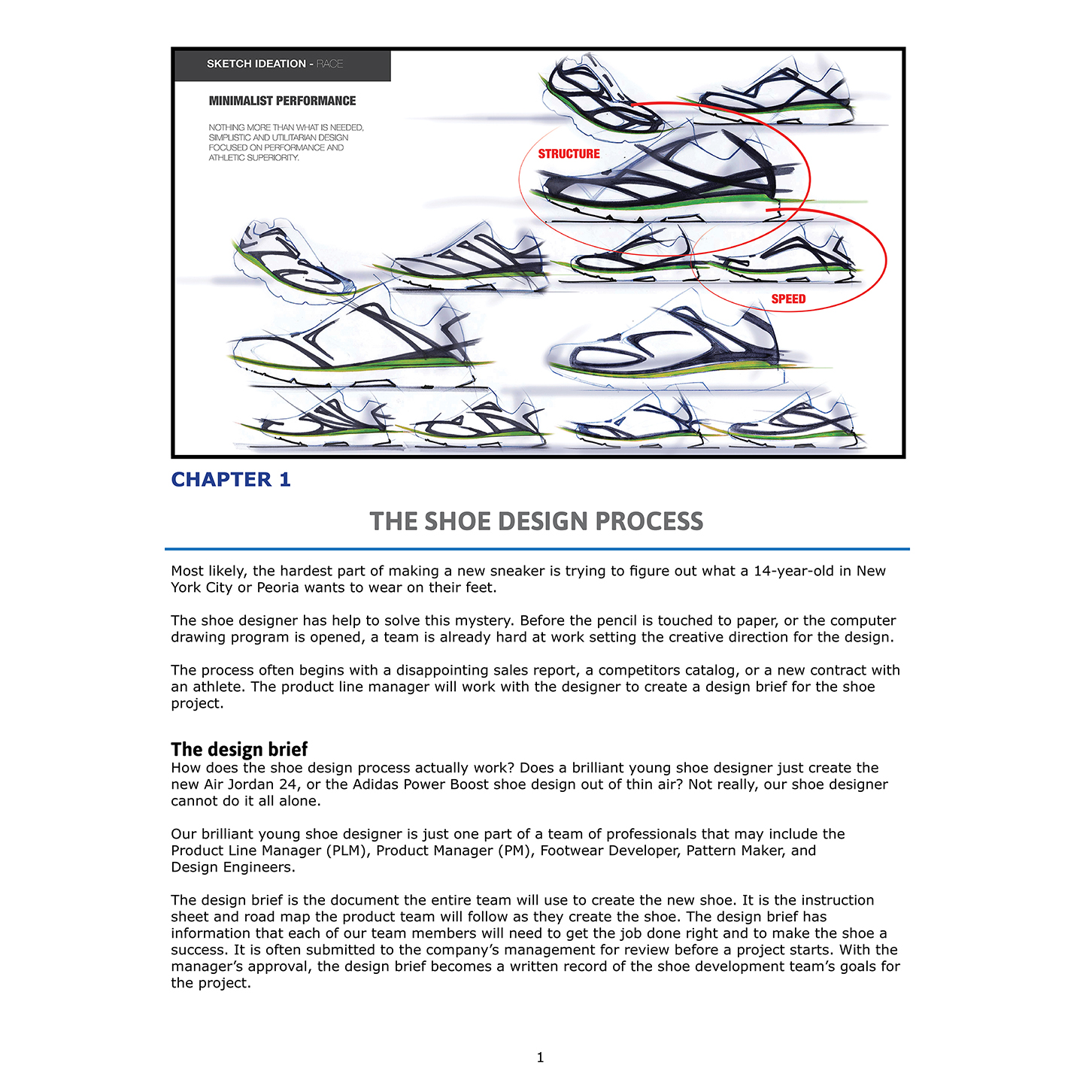
THE SHOE DESIGN PROCESS
Start with a footwear design brief
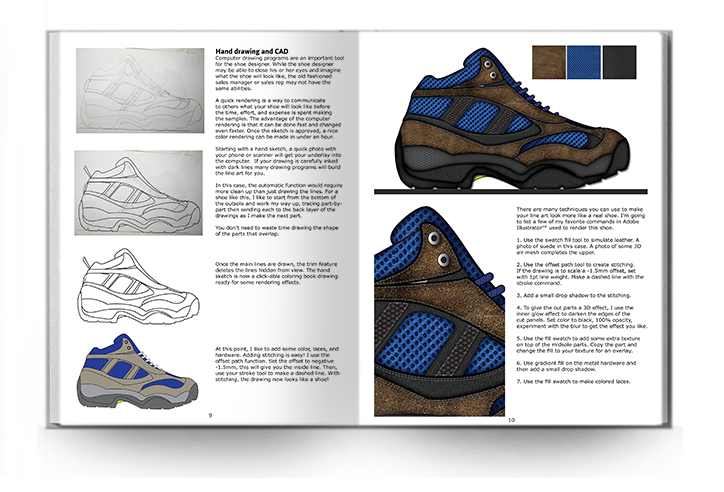
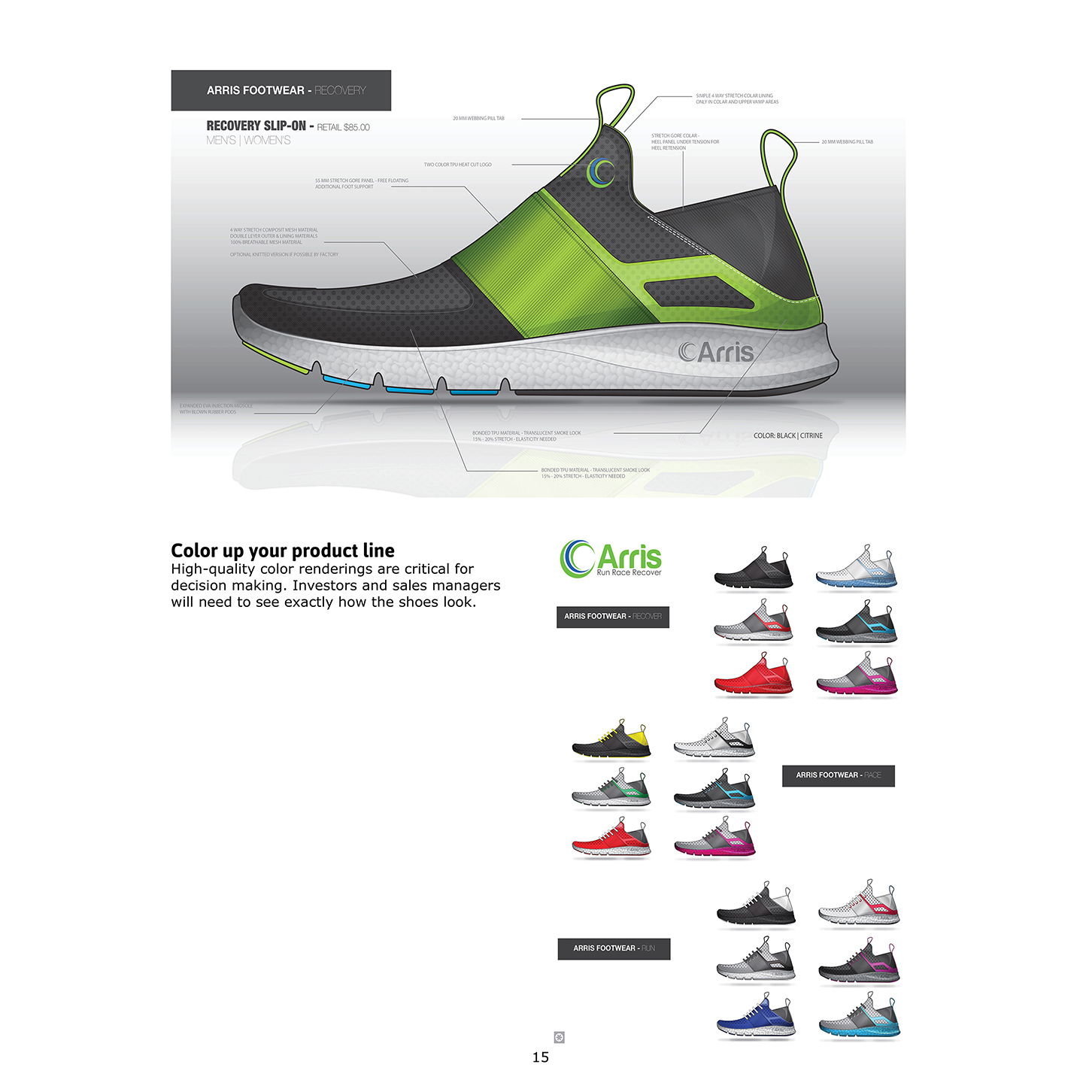
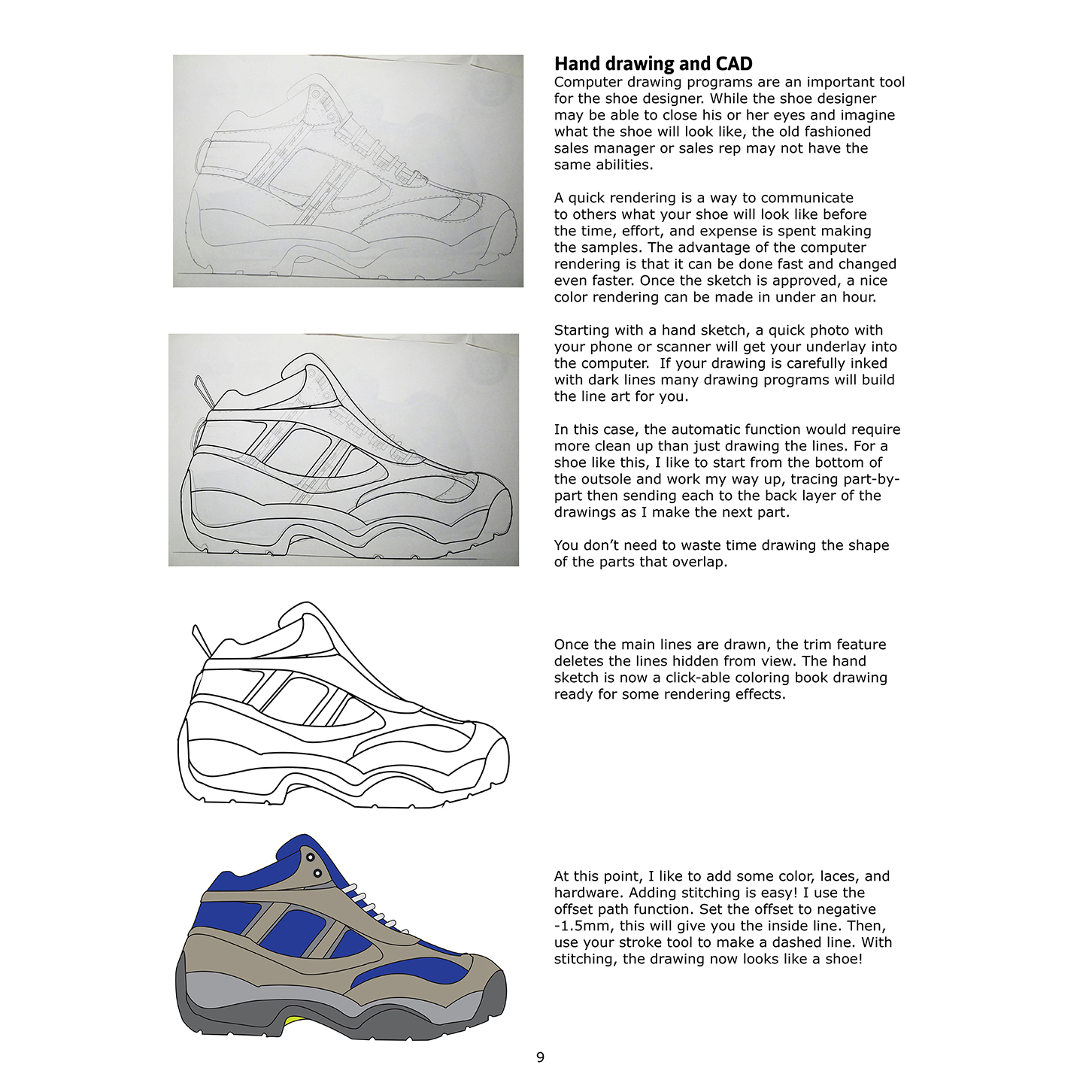
Turn your sketch into a rendering
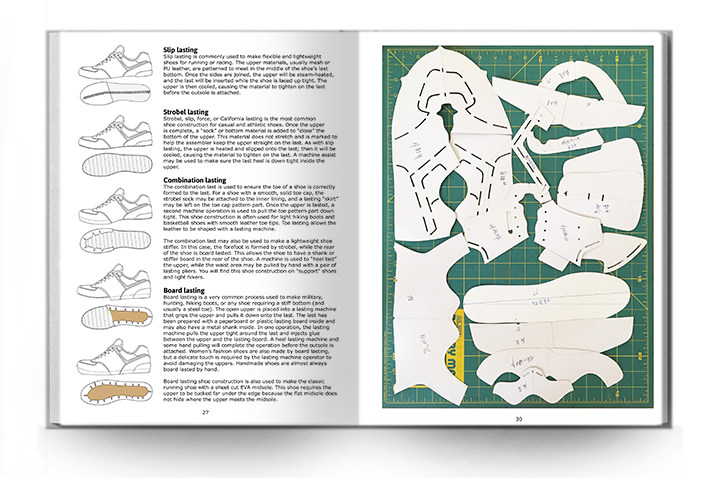
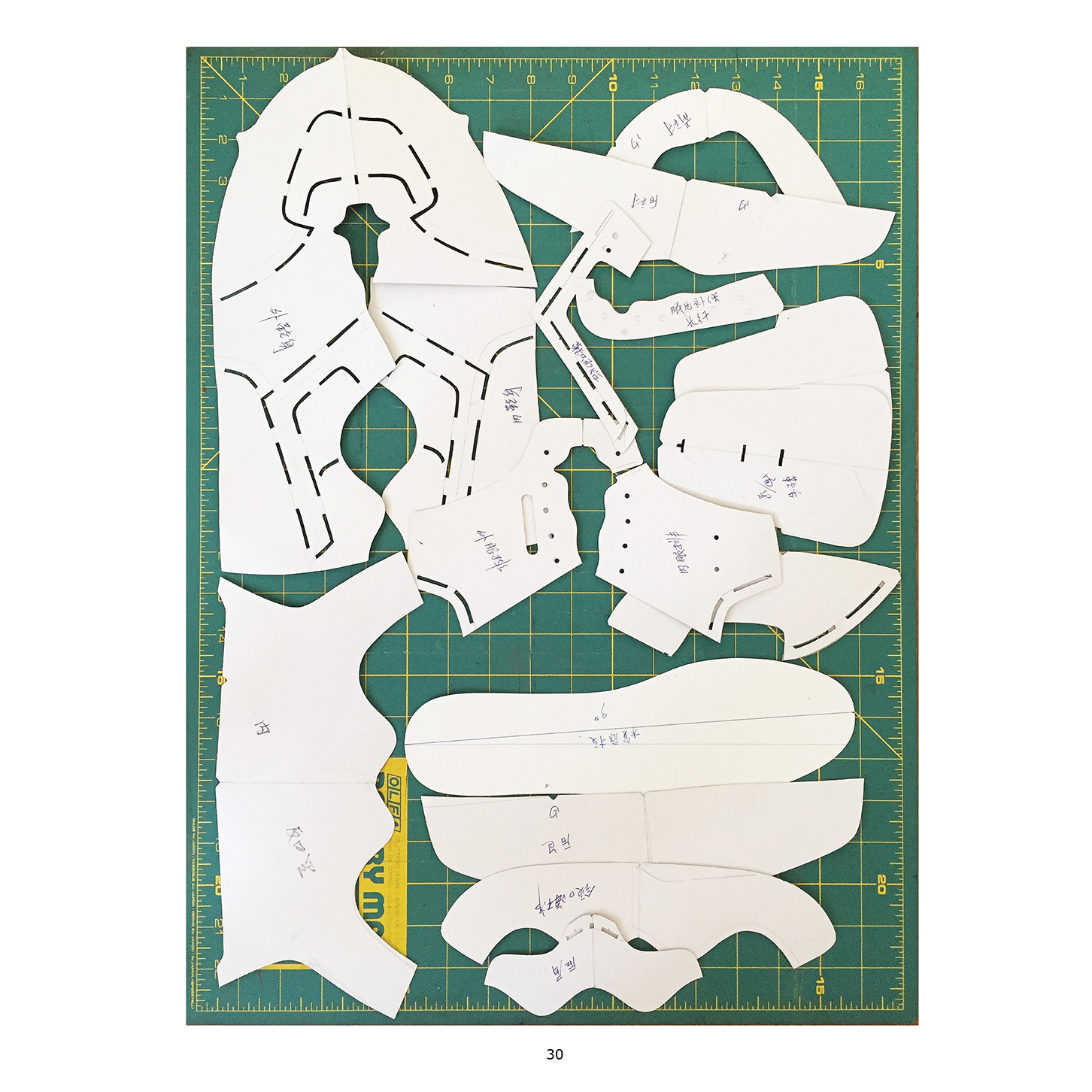
Make a shoe design pattern
Find the right shoe last
FOOTWEAR DEVELOPMENT
Step by step Transform your design
Outsole tooling mold design
Footwear pre-production process
Shoe material preparations
FOOTWEAR PRODUCTION
Learn how are factory makes shoes
Upper stitching operations
Outsole rubber pressing
EVA midsole forming
The shoe assembly line
MAKE FOOTWEAR SPECIFICATIONS
Learn to create your specifications
What does a factory need to make your design
How to read an outsole blueprint
SHOE MATERIAL SELECTION
Create Logo designs for shoes
Pick the best leather for shoes
Design textiles for shoes
How to use synthetics for shoes
Foam for shoes
THE SHOE BUSINESS
The shoe designers tools you need
Find your job in the shoe trade
What is footwear quality control
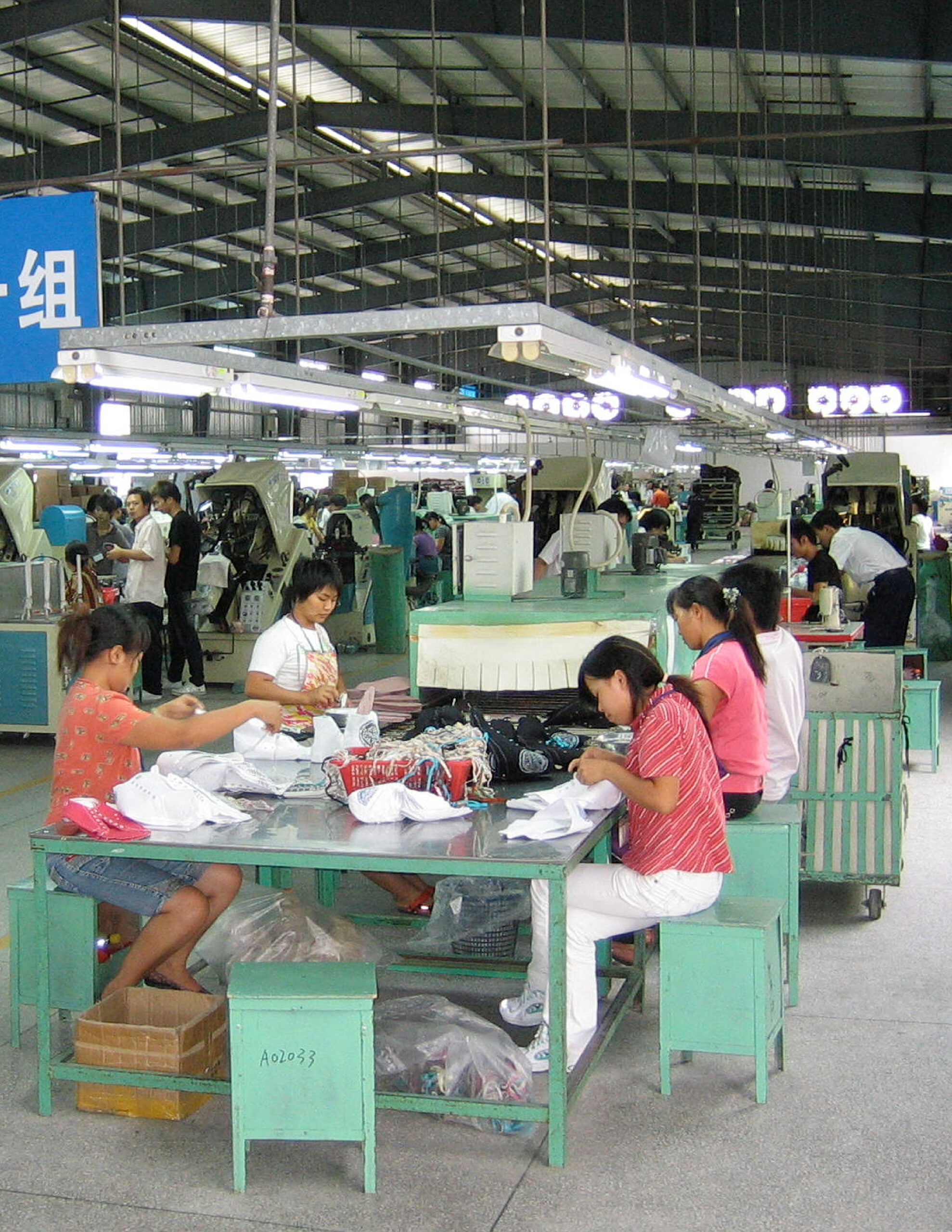
Life working at a shoe factory
26 Chapters packed with shoemaking information
1 :THE SHOE DESIGN PROCESS
The shoe design process
Two types of design briefs
Get started drawing shoes
2 : FOOTWEAR SPECIFICATION DRAWINGS
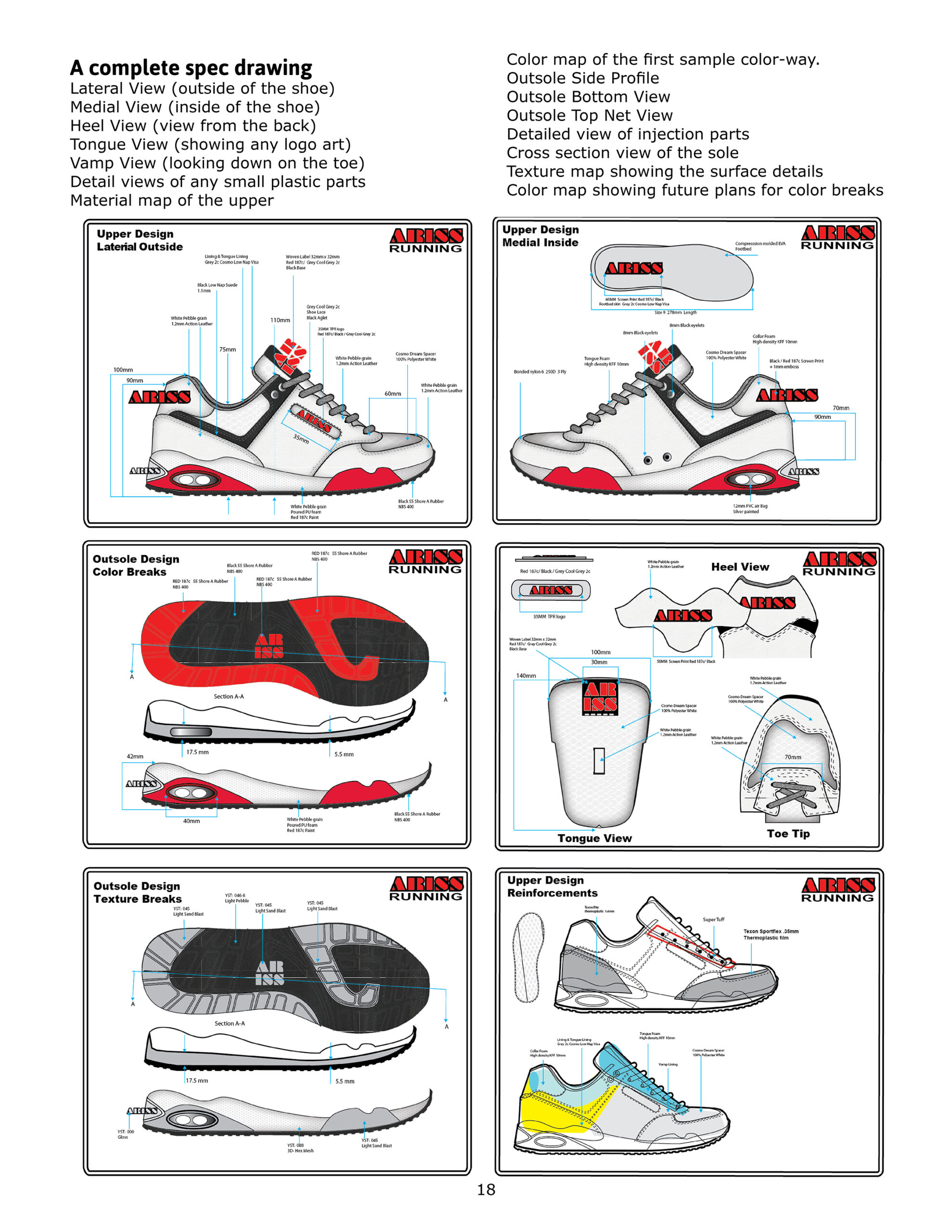
How to make a factory ready specification drawing
What to include in a specification
3 : MAKING FOOTWEAR PATTERNS
Shoe designer vs. pattern maker
The pattern maker’s challenge
4 : SHOE SPECIFICATION DOCUMENTS
Parts of a shoe spec
How to detail a spec sheet
5 : OUTSOLE TOOLING DESIGN
Footwear outsole types
Outsole blue prints
Footwear tooling development
6 : FOOTWEAR DEVELOPMENT PROCESS
Footwear sample making
Development sample phases
7 : FOOTWEAR PRE-PRODUCTION
Production size grade
Production cutting equipment
8 : SHOE MATERIAL PREPARATION
Material cutting
Logo printing and preparations
9 : UPPER STITCHING OPERATION
The stitching room
Stitching order of operations
10 : OUTSOLE RUBBER PRESSING
Mixing rubber materials
Rubber molds and pressing
11 : EVA MIDSOLE FORMING
What is EVA made of?
EVA pressing operations
12 : THE SHOE ASSEMBLY LINE
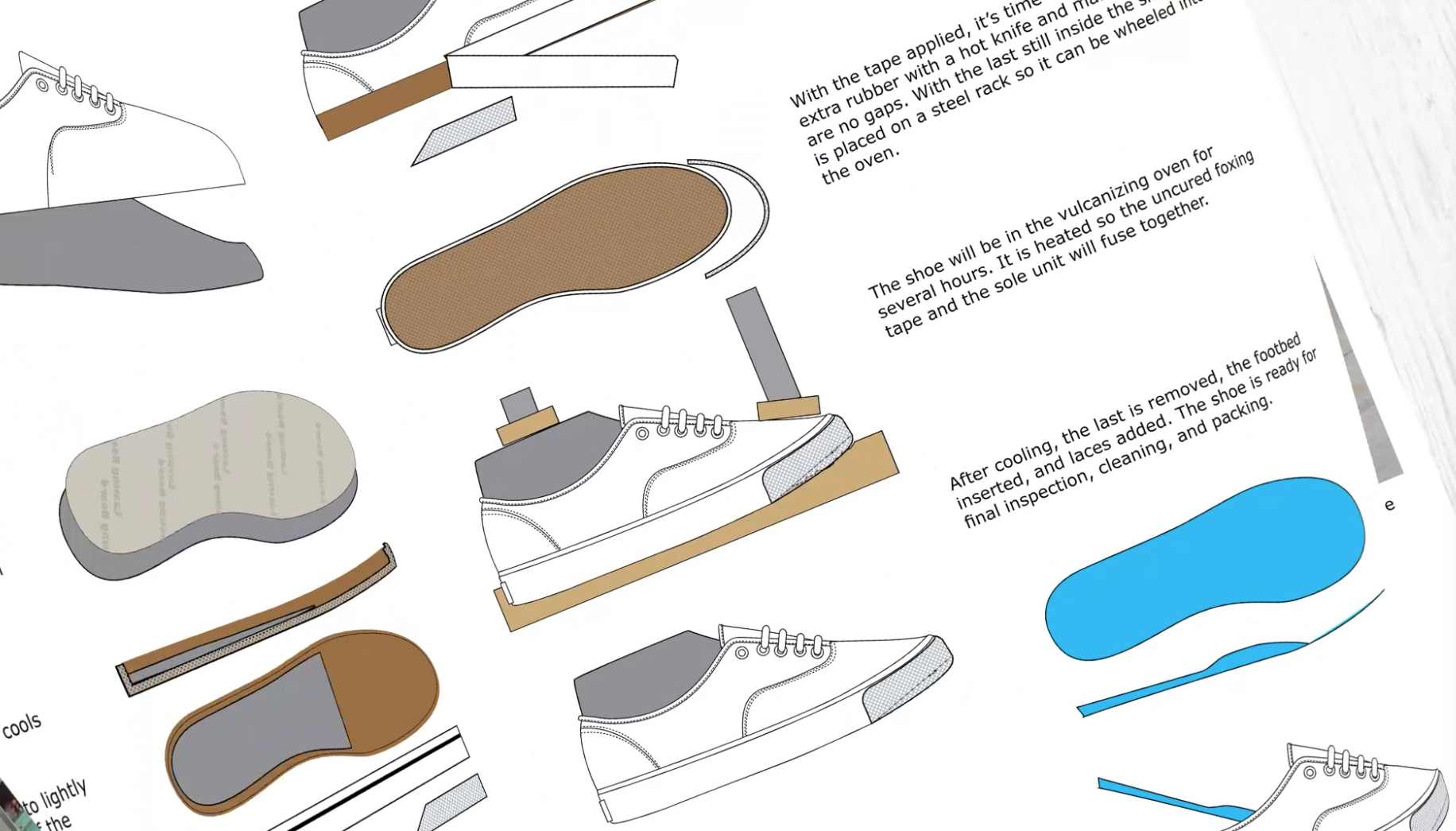
Cold cement shoe construction
Vulcanized shoe construction
13 : THE SHOE LAST
Shoe last shapes
How lasts are made
Metal, plastic, and wood lasts
14 : FOOTWEAR COSTING
Where does the money go?
Reading a factory cost sheet
Shoe part costs
15 : LOGO DESIGN FOR SHOES
What is the right logo for your shoe?
Shoe logo constructions
16 :LEATHER FOR SHOES
Leather basics
Common leather for shoes
17 : TEXTILES FOR SHOES
Fabric weaves vs. fabric knits
Backing and surface treatments
18 : SYNTHETICS FOR SHOES
Synthetic material types
Synthetic applications on shoes
19 : FOAM FOR SHOES
Foam types
Open cell vs. closed cell foam
20 : KNOW YOUR FOOTBEDS
Footbed parts
Material types for shoes
21 : FOOTWEAR MATERIAL SUPPLIERS
Working with material suppliers
List of top shoe material suppliers
22 : SHOE DESIGNERS TOOLS
The Pantone™ color system
Common tools of the shoe trades
23 : JOBS IN THE SHOE TRADE
Getting started in the shoe trades
There is a job for you
24 : QUALITY CONTROL
How to grade shoe quality?
Standard shoe inspection procedure
25 : LIFE AT A SHOE FACTORY
Look inside a real factory
Common shoe factory working conditions
26 : SHOE MAKING DICTIONARY
Shoe making terms you should know
Shoe parts diagram
This book is designed for:
Footwear students
Build practical industry knowledge alongside your design or product-development education.
Aspiring shoe and sneaker designers
Understand how your designs will actually be developed and manufactured.
Future footwear developers
Build a foundation in the technical processes connecting design and production.
Career changers
Learn footwear terminology, processes, and industry structure before pursuing opportunities in the shoe business.
Working footwear professionals
Broaden your understanding beyond your current specialty.
Footwear entrepreneurs and brand founders
Learn how factories, materials, tooling, development, costing, and production work before investing heavily in your first collection.
Product managers and sourcing professionals
Better understand the technical processes behind the products you’re managing.
Educators and training programs
Use the book as a practical introduction to commercial footwear development and manufacturing.
If you’re trying to break into the footwear industry, one of the biggest challenges is learning how the different parts of the business fit together.
What does a footwear developer actually do? How does a designer communicate with a factory? What information belongs in a shoe specification? How are materials selected? How does a shoe move from a drawing to a sample and then into production? What happens inside a footwear factory? How Shoes Are Made was created to answer these questions and give you a working understanding of the footwear development process. The knowledge in this book can help prepare you for conversations and opportunities in areas such as:Great shoe design requires more than creativity.
Professional footwear designers need to understand how their ideas will actually be developed and manufactured.
This book introduces the practical considerations behind shoe design, including lasts, patterns, materials, tooling, specifications, construction methods, and factory production.
You’ll gain a clearer understanding of how a creative concept becomes a manufacturable product
The footwear industry can seem complicated from the outside.
How Shoes Are Made gives you a structured introduction to the people, processes, materials, terminology, and manufacturing methods behind modern shoes.
If you’re serious about shoe design, sneaker design, footwear development, shoe manufacturing, footwear product development, or starting a shoe company, this is the place to start.
Choose your format and begin building your professional footwear knowledge today.
One of the fastest ways to become more effective in footwear is to understand the terminology professionals use every day.
How Shoes Are Made introduces terminology associated with shoe construction, materials, lasts, tooling, costing, development, manufacturing, and quality control. That knowledge can make it easier to:Footwear developers operate at the intersection of design and manufacturing.
How Shoes Are Made provides an introduction to many of the subjects footwear developers work with every day, including:Go beyond surface-level videos and factory tours.
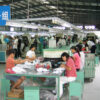
You’ll learn how modern footwear factories organize the manufacturing process and how different components come together during production.
Explore processes including:
Upper Production
Learn how footwear materials are prepared, cut, decorated, stitched, and assembled into finished uppers.
Outsole Production
Understand rubber compounds, molds, outsole pressing, tooling, and manufacturing methods.
EVA Midsole Production
Learn the basics of EVA materials, forming, compression, and midsole manufacturing.
Final Assembly
See how uppers, midsoles, outsoles, footbeds, and other components come together on the shoe assembly line.
Quality Control
Learn how footwear quality is evaluated and why inspection standards matter before products leave the factory.
Material knowledge is fundamental to shoe design and development.
Learn the basic properties and applications of:A successful shoe has to work creatively, technically, and financially.
Learn how footwear factories calculate product costs and how different materials and components contribute to the final factory price. This knowledge is especially valuable for:If your goal is to launch a footwear company, How Shoes Are Made gives you the technical foundation you need before approaching factories.
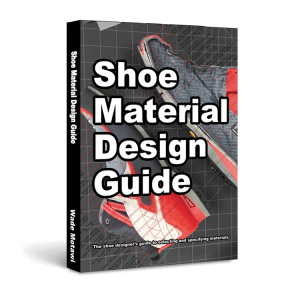
You’ll better understand:Series: How Shoes are Made (Book 1)
Paperback: 220 pages
Publisher: Wade’s Place; 3rd edition (April 5, 2018)
Language: English
ISBN-10: 1519389574
ISBN-13: 978-1519389572
Product Dimensions: 8.5 x 0.5 x 11 inches




Nigel Keen (verified owner) –
As a design student, and now job seeker, “How Shoes are Made” has given me incredibly valuable insights into the shoe business! This book has equipped me with the vocabulary and insights into production, design, and business in a way that’s allowed me to have deeper conversations with industry professionals and mentors. I’m planning on getting the rest of the book series to go even deeper! I’m truly grateful for resources like this to make my vision of a future into footwear much more tangible!
Many thanks! N. Keen
Jean (verified owner) –
J’enseigne la cordonnerie et je suis chausseur depuis 30 ans. Vos livres restent une véritable source de découverte et d’efficacité!
Jean-Luc
(I teach shoemaking and have been a shoemaker for 30 years. Your books remain a real source of discovery and efficiency!)
Stephanie –
This was a gift to a family member that has an interest in sneakers. Very well written and understandable.
Vaibhav –
Excellent resource to learn about the shoe industry.
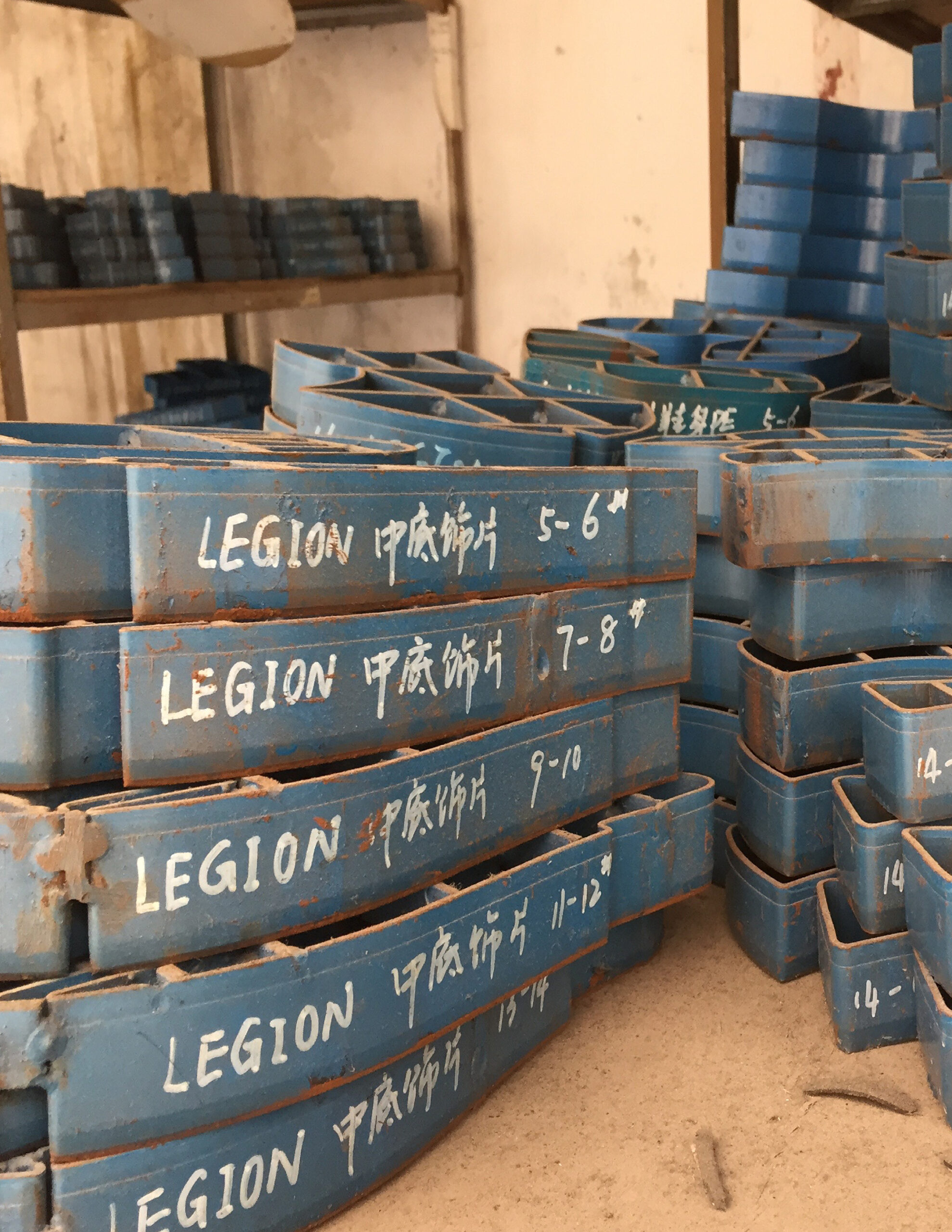
This book provides an excellent overview of the shoe industry starting from design phase to materials selection to commercial production/commercial supply chain. The information in all chapters is presented in a easy-to-read format with plenty of pictures of the actual factories and manufacturing/testing equipment, tooling, intermediate and final product etc. The book focuses more on real-world operations of the shoe industry and less on theoretical/ academic aspects of design, materials and manufacturing. For e.g. there is a chapter on shoe assembly line which discuss different types of shoe constructions commonly used in the industry by heavy use of pictures of the shoe construction process and actual pictures of assembly lines from the factories in Asia where majority of shoes are made. There are also contacts of different suppliers of materials (e.g. foam, leather etc.) used in shoe making. The contents are particularly helpful to people who are new to shoe industry and are interested to learn about the day-to-day functioning of this industry.
The author demonstrates strong knowledge and experience of the shoe business. Details of shoe design development process, selection of different materials used in making shoes, and different processes followed by suppliers/ manufacturers are described in right amount of details. I also have to note that I corresponded with the author- Wade M regarding a few questions after reading his books. Author was prompt to respond and eager to help with my questions. During my correspondence, I greatly appreciated not only his technical expertise but also his humility and willingness to help!
I also purchased the other two books by the same author – “How to Start Your Own Shoe Company” and “Shoe Material Design Guide” and must say they complement each other well. I’d highly recommend all three books for someone who is pursuing entrepreneurial opportunities in the shoe industry and wishes to know the inner workings of this footwear development, manufacturing and global supply chain process.
Overall, I found this book to be a great read; I’d highly recommend it.
G.C. –
Awesome book! Best book if you are starting. Great information to begin making your shoes. Definitely worth the money. ! Ty. Gl
Silvertip –
Takes the mystery out of the shoe industry.
As an owner of a small US made shoe company, I have been frustrated at the last of educational materials on how shoes are made. We have unique products and have developed a lot of our own methods, which is fine, but there are times when we needed to know how certain things are done. This book helped us bridge that gap and also gave us some great leads on suppliers and others in the industry. If you’re just looking to try to make your own pair of shoes once, then there are other resources better suited for you. However, if you’re interested in seriously entering the shoe design/manufacturing market then this is a great starting place.
MR AO OSOKOYA –
Part of a Great Series of Books.
I have purchased all 3 of these books and they are a wealth of insight and information. Furthermore, I have been able to email Wade and received helpful responses from him. Really recommended.
M.A. –
I found troves of useful information. I bought all 3 books from this series.
Very informative. I am working on developing my own shoe line. I found troves of useful information. I bought all 3 books from this author!
Matthew H. –
If you are interested in designing shoes, read this book. If you want to start and own a shoe company, read this book. If you already have a brand and are interested in adding shoes to your lineup, read this book. Plainly said, this book will save you time and frustration assessing the footwear industry and if it’s something for you. If you’re thinking of participating in the shoe game in any way, the contents of this book will add significant value to your vision, plans, business, etc. How Shoes are Made is a goldmine of useful information that you can immediately integrate into your footwear dreams, I highly recommend it.
Rene C –
Great book for the non-sneaker industry veteran.
While people working within the shoe industry may be able to pick at various aspects of the book (I see other reviewers having done this), to someone without an industry background, this book is full of helpful information on the contemporary sneaker production process – information that isn’t easy to acquire in one consolidated place otherwise. I greatly appreciate all the knowledge shared in this book and would highly recommend it to anyone (like myself) that is looking for some foundational insight into the many facets of sneaker production.
D. West –
I love this book!!
I bought it as a coffee table book for our home because my husband is a novice designer and loves this stuff but came to find out that it has something for everyone to learn from. It is so interesting to delve into a world you know nothing about and learn so much!! Mr Motawi is a great author and i hope he writes other informational books!! thank you!