






Description
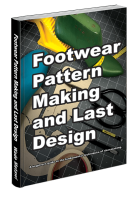
A beginner’s guide to the fundamental techniques of footwear Patternmaking.
Do you want to learn how to make shoe patterns? Do you know how to design a last for a high-heeled fashion shoe, a sneaker, or dress shoe? In Footwear Pattern Making and Last Design, we will teach you the shoe last design process and detail the basic techniques of footwear pattern making.
Footwear Pattern Making and Last Design will show you how lasts are made, the shoe last design process, the hidden geometry, special features, functions, and size grading principles of lasts. You will see many different last designs and shapes for sneakers, trainers, high-heels, boots, and more.
This book covers the craft of footwear pattern-making, including a step-by-step guide to patternmaking for beginners. Hundreds of color photos illustrate the patternmaking process. See and compare sample patterns for joggers, hi-top sneakers, high-heels, and many other shoes. Learn patternmaking procedures, how to make a sneaker forme, computer-aided design software for pattern making, and shoe pattern grading.
Why is a shoe last shaped that way? How can you make a shoe pattern with simple tools?
Learn Why the Shoe Last Comes First
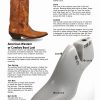
The shoe last is often called the heart of the shoe.
It determines much of the footwear’s:
- Fit
- Shape
- Size
- Proportion
- Toe profile
- Heel geometry
- Performance
- Ergonomics
- Styling
- Construction compatibility
The book explains that the last is used throughout the full shoemaking process—from design through development and production—and that pattern makers rely on the last to turn drawings into flat pattern pieces that will fit a three-dimensional form.
Build Professional Shoe Last Knowledge
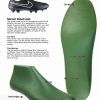
Inside the book, you’ll learn how to identify and work with the key features of a footwear last, including:
- Medial and lateral sides
- Toe point
- Vamp point
- Ball points
- Ball girth
- Waist girth
- Instep girth
- Heel girths
- Toe spring
- Toe box height
- Heel pitch
- Feather edge
- Shank
- Heel seat
- Cone
- Cuboid
- Last bottom geometry
Learn Shoe Last Design, Pattern Making, Fit & Footwear Development
CHAPTER 1 : THE LAST IS FIRST
The shoe last design, parts of the last, technical terminology of the shoe last.
Shoemaking pattern points and construction lines.
Last dimensions and how to measure the shoe last.
How is the shoe last different from the human foot?
CHAPTER 2: LAST FEATURES AND FUNCTIONS
Types of shoe lasts, last fitting, and key functional attributes such as;
toe spring, heel height, ball girth, cuboid roll, toe box, and cone.
Why are lasts shaped this way?
CHAPTER 3: SHOE LAST DESIGNS
18 different shoe styles and their unique lasts including;
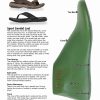
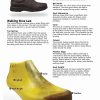
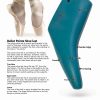
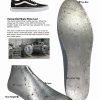
running shoe last, basketball last, hiking last, and high heel shoe last.
Many shoes styles require different lasts.
What makes the shoe design and last design?
CHAPTER 4: THE FOOTWEAR LAST DESIGN PROCESS
How shoe lasts are designed and developed.
Last factory operations. Sample last development and production.
Wood, plastic, and metal last design and production.
CHAPTER 5: THE GEOMETRY OF LASTS
Designing the last bottom and side profile with the geometric system.
The hidden geometry of the shoe last.
CHAPTER 6: LAST SIZE SCALES AND GRADING
Last grading, size scales, and standardization.
Last grading systems: arithmetic, geometric, and proportional.
USA, UK, Euro, Japanese, Mondo point, and Chinese sizing systems.
Complete last grading charts for length, girth, and widths.
CHAPTER 7: THE PATTERN MAKER’S TOOLS
Common tools and their uses in pattern making.
All the simple tools you need to make patterns.
CHAPTER 8: HOW TO MAKE THE LAST FORME
How to make the shell pattern or forme of the last.
The principle of reversibility and lasting pressure.
Taping the last and slotted pattern forme making procedures.
CHAPTER 9: PATTERN MAKING PROCEDURES
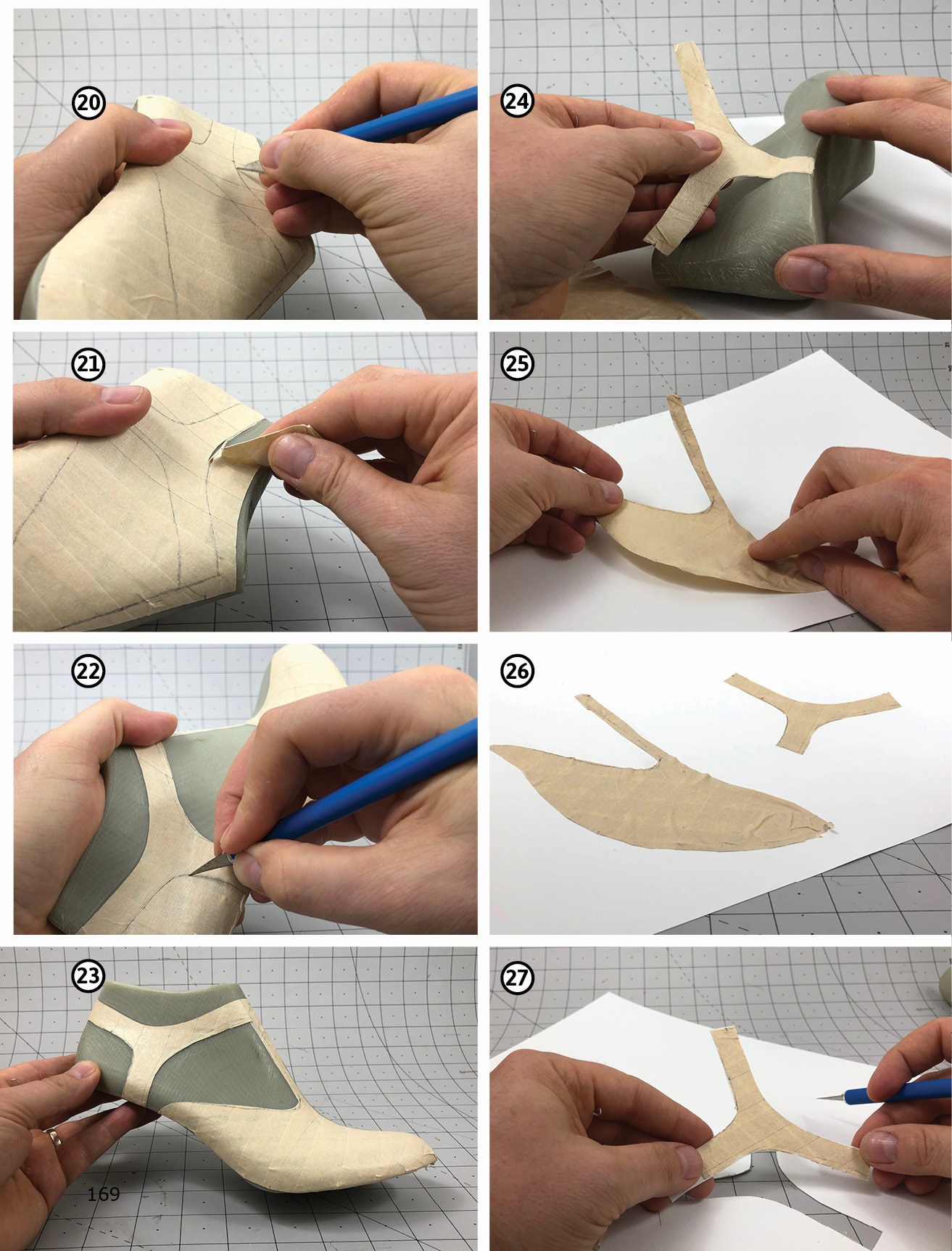
Step-by-step guide to footwear pattern making.
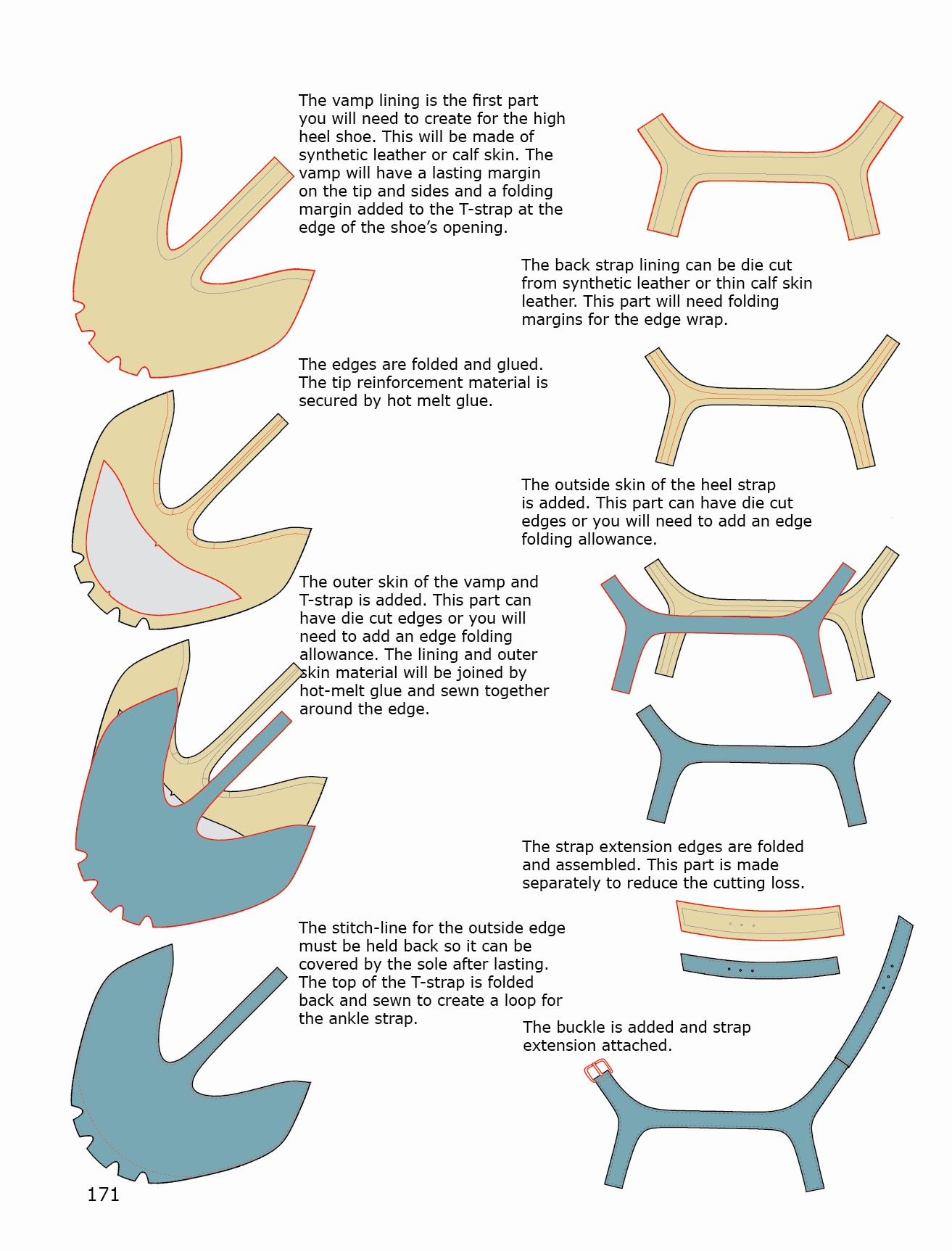
Creating sectional patterns for sports shoes and fashion shoes.
How to draw on the last and cut the sectional pattern.
How to make a sneaker pattern.
CHAPTER 10: COMPUTER-AIDED PATTERN MAKING
The basics of computer-aided pattern making.
Importing the last, projecting the pattern in 2D, and 3D pattern rendering.
Creating the digital sectional pattern.
How to make a simple shoe pattern.
CHAPTER 11: PATTERN SIZE GRADING
Pattern grading equipment techniques and processes explained.
Footwear commercialization process.
From Last & Pattern Knowledge to Production-Ready Footwear
Start With the Book.
Then Learn the Full Development Process
The strongest progression for this title is:
The book gives the reader technical depth in lasts and patterns.
The next step is understanding how those elements fit into the entire professional footwear-development system.
Next Step: Footwear Development Process and Procedures
Once you understand lasts and patterns, continue with the Footwear Development Process and Procedures online course.
This course shows how a shoe moves from concept through factory development and into production.
The course covers:
- Design review
- Tech packs
- Shoe lasts
- Pattern development
- Outsole tooling
- Sample rounds
- Costing
- Commercialization
- Quality control
- Factory communications
- Production readiness
- T1, T2, T3, and T4 development stages
Students learn how footwear developers work with designers, product managers, brand teams, factories, and suppliers to transform creative concepts into functional, manufacturable, and cost-effective footwear.
Once the last is established, the next challenge is turning the footwear design into flat pieces that can be cut and stitched.
The pattern-making section covers:
- Pattern-making tools
- Last taping
- Creating the last forme
- Shell-pattern development
- Pattern control points
- Sectional pattern creation
- Sports-shoe patterns
- Fashion-shoe patterns
- Sneaker pattern making
- Computer-aided pattern making
- Pattern-size grading
The book progresses from traditional manual pattern-making techniques into computer-aided methods and grading for production. Footwear_PatternMaking&Last_Des…
The book examines how footwear lasts are designed, developed, graded, and manufactured.
Topics include:
- Last terminology
- Last geometry
- Functional last design
- Last development
- Wood, plastic, and metal lasts
- Last dimensions
- Last fitting
- Size systems
- Last grading
- Standardization
You’ll also see examples of 18 different shoe styles and their unique last requirements.
A shoe last is not simply a copy of the human foot.
The book explains how lasts are intentionally shaped to account for movement, construction, fashion, toe spring, heel elevation, volume, and the functional requirements of different footwear categories.
That means the right last for one product may be completely wrong for another.
You will learn why lasts differ for:
- Running shoes
- Basketball shoes
- Hiking boots
- Dress shoes
- High heels
- Fashion footwear
- Slip-ons
- Work footwear
- Athletic footwear
Shoe designers and developers have to balance fit, fashion, function, materials, and construction method when selecting or modifying a last.
Step 1 — Understand the shoe last
Learn how fit, shape, dimensions, geometry, and footwear function begin with the last.
Step 2 — Learn footwear pattern making
Turn the 3D last and shoe design into accurate 2D patterns.
Step 3 — Understand the development process
Follow those lasts and patterns through sample development, tooling, costing, corrections, approvals, and commercialization.
Step 4 — Prepare your shoe for production
Learn how professional footwear teams move a product from design concept to factory-ready footwear.
Learn the last. Build the pattern. Understand development. Make better shoes.
Professional footwear patterns are built around specific control points.
The book covers pattern locations such as:
- Lateral ball point
- Medial ball point
- Vamp point
- Ball girth line
- Main axis
- Counter point
- Back height
- Instep point
- Quarter lines
- Collar opening
These points become reference locations for translating a design onto the last and then into a flat pattern.
One of the essential pattern-making skills covered in the book is creating the forme—the flattened representation of the three-dimensional last.
You will learn how the last is taped and how the shell pattern is transferred so that the footwear design can be converted into workable flat pattern pieces.
This helps explain the critical transformation:
3D Last → 2D Forme → Sectional Patterns → Cut Upper Components
Understanding this process gives footwear designers a much stronger appreciation for how their drawings are interpreted by pattern makers and factories.
Modern footwear companies use both traditional pattern-making skills and digital tools.
The book introduces the basics of computer-aided footwear pattern making, including:
- Importing a last
- Working with 3D geometry
- Projecting patterns into 2D
- Creating digital sectional patterns
- Preparing patterns for grading
That makes the book useful for learners who want to understand traditional shoemaking methods as well as how those methods connect to modern footwear development.
Making one pattern is not enough for commercial footwear.
A professional shoe line has to work across a complete size range.
The book introduces:
- Pattern-size grading
- Last-size grading
- Arithmetic grading
- Geometric grading
- Proportional grading
- US sizing
- UK sizing
- European sizing
- Japanese sizing
- Mondo point
- Chinese sizing
This helps connect pattern-making knowledge to the commercial footwear production process.
Pattern making and last design are specialized technical skills that can significantly strengthen a footwear career.
This book is especially relevant for people interested in:
Footwear Design
Understand how your sketches interact with the physical last and how design lines become production patterns.
Footwear Development
Communicate more effectively with last makers, pattern makers, factories, and fit teams.
Footwear Pattern Making
Build a foundation in manual and computer-aided pattern development.
Footwear Fit & Comfort
Understand how last dimensions, volume, geometry, and construction influence fit.
Product Development
See how last selection and pattern construction affect manufacturability and sample development.
Footwear Engineering
Develop a stronger understanding of dimensional control, grading, and production geometry.
Brand Development
Make better decisions when approving lasts and patterns for your own footwear line.
Students & Career Changers
Build technical footwear vocabulary and practical knowledge that is difficult to learn from general fashion-design education.
This book is designed for:
- Aspiring shoe designers
- Footwear developers
- Footwear pattern makers
- Sneaker designers
- Shoemakers
- Footwear engineers
- Product developers
- Footwear brand founders
- Students
- Career changers
- Fit and comfort professionals
- Professionals who work with footwear factories
It is particularly useful if you’re asking questions such as:
- How do I make a shoe pattern?
- What is a shoe last?
- How do shoe lasts affect fit?
- How are footwear patterns created?
- How do you make a sneaker pattern?
- How are shoe lasts designed?
- How are shoe patterns graded?
- How does footwear sizing work?
- How do I communicate last changes to a factory?
- How does pattern making fit into footwear development?
- What technical skills do footwear developers need?
Title: Footwear pattern and Last Design
Series: How Shoes are Made (Book 4)
Paperback: 200 pages
Publisher: Wade’s Place
ISBN 13: 9780998707075
ISBN 10: 0998707074
Language: English
Product Dimensions: 8.5 x 0.5 x 11 inches


zeinab wagdy –
With over 6 years in the footwear industry, I’m genuinely amazed and grateful of how much this book packs. Its a reliable reference I constantly go back to, and it has given me the confidence to tackle my daily work with solid knowledge and clarity.
Craig (verified owner) –
I have been a hobbyist shoemaker for 20 years and I have probably read most of the available books on last making and pattern design. The books and articles are often difficult to follow. ‘Footwear Pattern Making and Last Design’ is a breath of fresh air with its modern look and readability. The authors know their stuff. It also has great photos and diagrams. If you read this book, you will be well on the road to shoemaking.
Craig
Johana (verified owner) –
Valuable book with step-by-step procedures to follow. I recommend to others.
Liz Ishii –
I want to thank you for this incredible book you produced! I purchased it through Etsy, and I’m so so happy to have it. I’ve been in the footwear industry for over 13 years and never have understood elements of footwear like you’ve laid out.
Thank you for taking the time to create such an incredible book.
Tate –
As a newbie to footwear product creation, having a firm understanding of last design can be crucial to a project. Would recommend giving this a read to create a strong foundation in the last area. I didn’t even know what a Last was until a year ago (fyi super crucial in footwear product creation).
Emily –
Highly recommend. Updated information of this sort has been hard to find and this book is well done and easy to follow. The photos are great and really helped me to understand the patternmaking and last design processes.
D. Collins –
There have not been any books on modern footwear last design in almost 20 years!
I have worked in this industry for more than 40 years and find this book and the others by Wade Motawi to be extremely useful and helpful to both me and my clients who are starting their own footwear brands. I would recommend you add this book and the How Shoes Are Made series to your design and reference library.
Verified Buyer –
What I was looking for. Easy to understand, step-by-step patternmaking. Great chapter on lasts and size grading. I highly recommend this book.
Rick –
Great. 5 Stars.
P. Salvage –
Super Informative and has lots of very specific tools and templates. There is not a lot out there written by an actual world class nuts and bolts shoe/sneaker maker. This is one of them. It is a practical step by step guide on exactly what to do. A large number of photos, measurements, terminology explained, etc….
This is Motawi’s 4th or 5th book on how to make shoes. He is not writing theoretically. He designs, builds and supervises production of his foot products, including walking the floors of factories in China several times a year. All his books are excellent and cover different angles on the process.
This is Motawi’s 4th or 5th book on how to make shoes. He is not writing theoretically. He designs, builds and supervises production of his foot products, including walking the floors of factories in China several times a year. All his books are excellent and cover different angles on the process.
Deb –
Great resource. Valuable find. I will recommend this to product design students at my university.
Mike M –
The tables of the various shoe sizes, British, American, French, Chinese, Japanese, and Mondopoint are extremely useful in converting from one system to another. Illustrations are clear and to the point. Only complaint is he dives right into making a ‘pretty’ shoe and I would have preferred a much simpler design as my first attempt at making shoes.